
Dust Suppression Services
Dust Suppression Solutions in India for Haul Roads, Plant Premises, and Construction Corridors
When dust starts rising on a haul road, diversion stretch, plant internal road, or construction approach route, it quickly becomes more than a housekeeping issue. Visibility drops, tyre grip reduces, equipment filters choke faster, and the same road needs rework sooner than planned. In many locations, dust also becomes a compliance risk, especially during dry months and high-traffic operations.
At Bitu Way & Infrastructure LLP, we provide the best dust suppression services in India that are designed around your actual site conditions: road surface, traffic load, movement pattern, water availability, and the type of dust being generated.
The goal is simple: reduce dust sustainably, improve safety, and keep operations moving with practical implementation support, not generic advice.
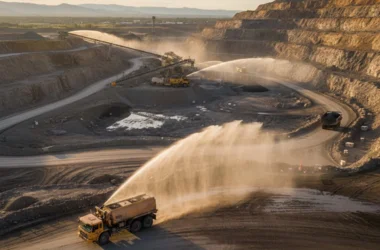
Why Dust Suppression Is Critical for Roads and Haul Routes in India
Dust control is often treated as “just sprinkle water”, but Indian operating conditions make dust stubborn:
- High heat and wind evaporate water quickly, so dust returns within hours.
- Heavy axle loads and frequent braking zones break the surface and re-suspend fines.
- Mixed traffic (dumpers, trucks, two-wheelers, forklifts, plant vehicles) increases disturbance.
- Loose shoulder material and spillage add continuous dust sources.
- Over-wetting can create slush, rutting, and skidding risk, especially on unpaved stretches.
Regulatory and operational expectations have also become clearer. For example, GRAP-related action points frequently push for mechanised/vacuum sweeping, water sprinkling, and use of dust suppressants, particularly on heavy-traffic corridors and hotspots.
Where Our Dust Suppression Services Are Used
We support dust control across common Indian project environments:
Haul Roads and Mining Movement Routes
- Unpaved haul roads, mine approach stretches, and dump yard internal roads
- High-frequency movement zones where dust clouds impact safety and productivity
Industrial and Plant Premises
- Cement plants, steel plants, power projects, logistics yards, warehouses
- Plant internal roads, loading bays, and boundary corridors where dust travels outside the premises
Road Construction and Maintenance Zones
- Highway widening and repair stretches, diversions, service roads
- Contractor access routes, batching plant approach roads, and camp roads
MoRTH-standard documentation and environmental provisions commonly include measures like sprinkling water for dust control at work zones and haul roads, which aligns with how dust management is assessed on infrastructure projects.
Crusher, Aggregate, and Material Handling Areas
- Crusher roads, stockpile zones, loading points, and C&D movement routes
CPCB guidance around handling C&D materials also emphasises dust abatement measures during handling and movement.
Our Dust Suppression Service Deliverables
1) Site Assessment and Hotspot Mapping
We evaluate:
- Road type: paved, unpaved, mixed, or partially stabilised
- Surface condition: potholes, rutting, loose fines, shoulder material
- Traffic intensity: vehicle count, axle load, speed, turning and braking zones
- Dust sources: road itself, spillage, stockpiles, loading points, wheel carry-out
- Water availability and operational constraints
The output is a simple, action-ready map of where dust is generated and why it returns quickly.
2) Method Selection Based on Road Use and Risk
We match solutions to site needs:
A. Controlled water sprinkling plan (short-duration control)
Useful where water is available and dust events are limited to specific hours or zones.
B. Water + dust suppressant dosing plan (extended hold time)
Designed for high-movement routes where plain water is not holding long enough. GRAP-related measures frequently reference water sprinkling along with dust suppressants, especially before peak traffic hours at hotspots.
C. Heavy-duty binding or stabilisation-style control (for problem stretches)
Recommended for sections like:
- sharp curves, steep gradients, weighbridge approach roads
- loading/unloading zones
- high-traffic unpaved internal roads
Where dust returns instantly and safety risk is higher, a stronger approach reduces repeated rework.
3) Implementation Support and Site SOPs
We provide on-ground guidance to make the plan executable:
- application method guidance (spray pattern, coverage, tanker route)
- frequency planning (daily, alternate day, hotspot-focused)
- operator do’s and don’ts to prevent over-wetting or uneven application
- simple logs and documentation support for project and compliance records
Types of Dust Suppression Approaches We Support
Wet Suppression and Smart Water Management
This includes:
- correct timing and routing so water hits hotspots before movement peaks
- avoiding excess water that causes rutting or slippery patches
- aligning sprinkling with site traffic, not random schedules
Dust Suppressants and Binders (Used Where Suitable)
Different sites require different binding behaviour. Depending on road type and constraints, solutions may involve:
- moisture-retaining approaches (useful where evaporation is high)
- fine-particle binding approaches (useful where road fines keep re-suspending)
- surface crust-forming approaches (useful on stable unpaved surfaces with consistent traffic)
We do not oversell. We recommend based on trial results and site reality.
Operational and Mechanical Controls (Often the Missing Piece)
Where needed, we advise complementary controls that strengthen dust outcomes:
- mechanised sweeping on paved corridors and high-dust shoulders
- wheel cleaning and vehicle cleanliness to prevent dust carry-out
- covering of dusty materials during transport, and stockpile control
These measures repeatedly appear in dust mitigation SOPs and action plans.
Our Step-by-Step Delivery Process
Step 1: Requirement Call and Site Inputs
You share basic details:
- location and site type
- road length, road type, vehicle movement pattern
- dust pain points and safety concerns
Step 2: Site Visit and Hotspot Mapping
We identify dust sources and priority stretches.
Step 3: Plan Recommendation
You receive:
- recommended approach (water-only or suppressant-based plan)
- equipment guidance (tanker, spray arrangement, route plan)
- frequency schedule and basic SOP
Step 4: Trial Stretch
We validate performance on a limited stretch to confirm hold time and practicality.
Step 5: Full Roll-Out and Monitoring
We support implementation and adjust frequency or method where needed.
Step 6: Ongoing Optimisation
Traffic changes, weather shifts, and road condition changes are normal. We help keep the plan aligned.
What Outcomes You Can Expect
Clients typically aim for:
- visible reduction in dust clouds on movement routes
- improved driver visibility and safer internal road movement
- reduced housekeeping and less dust carry into plant operations
- fewer complaints around boundaries
- better readiness for audits through SOPs and simple records
This aligns with how authorities emphasise dust suppression measures and scientific disposal of collected dust on roads.
Why Choose Bitu Way & Infrastructure LLP
- Road-work understanding: We design dust control around real traffic and maintenance pressures.
- Solution + execution support: We do not stop at supply; we guide application planning and SOPs.
- Project-aligned thinking: Our recommendations focus on reducing repeat effort and keeping movement safe.
FAQs About Our Dust Suppression Solutions in India
What is the best dust suppression method for unpaved haul roads?
For most unpaved haul routes, a combination approach works best: road surface readiness (grading/compaction where needed) plus a controlled application plan. Water alone may work for short windows, but heavy movement often requires an extended-hold strategy.
Is water sprinkling enough for dust control on heavy-traffic routes?
Often it is not, especially in hot, dry, windy conditions where water evaporates fast. That is why many action plans emphasise water sprinkling along with dust suppressants on hotspots and heavy traffic corridors.
Do you provide dust suppression chemicals and on-ground application support?
Yes. We support selection, planning, application method guidance, and frequency scheduling, so the site team can execute consistently.
How do you decide frequency and dosage?
We base it on road type, dust behaviour, traffic load, and water constraints. We prefer trial validation on a short stretch before finalising a full schedule.
Can dust suppression help reduce complaints and boundary dust movement?
Yes, especially when hotspots like gates, junctions, and loading zones are controlled first and movement speed is managed.
Get a Practical Dust Suppression Plan for Your Site
If you need dust suppression support for haul roads, plant premises, crusher roads, or road work corridors, share your road type and movement pattern. Our team will recommend a site-fit plan, including a trial stretch approach and an implementation schedule.